
Cookbooks
Never Say Never to Dolce
A brand-new collection of 50 approachable homemade desserts – from iconic Cannoli to Dolci al Cucchiaio and more – that proves there’s always room for a little sweetness.
Manuela’s Sweet Temptations
A collection of 50 irresistible dessert recipes, from classic Italian treats to modern favorites—including gluten-free options.
The Complete Italian Cookbook: Essential Regional Cooking of Italy
A collection of 50 irresistible dessert recipes, from classic Italian treats to modern favorites—including gluten-free options.
How to Make Authentic Cannoli Siciliani at Home
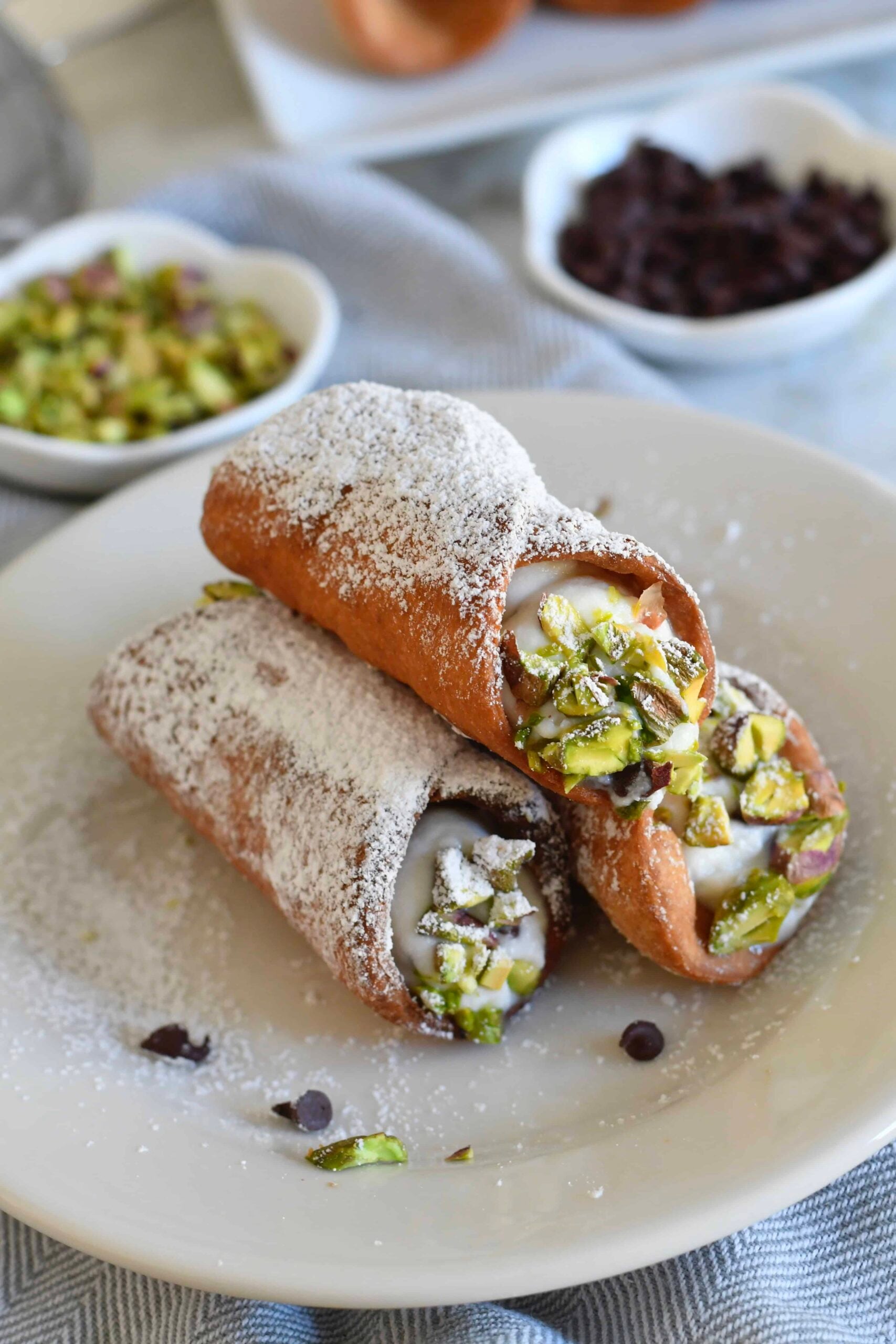
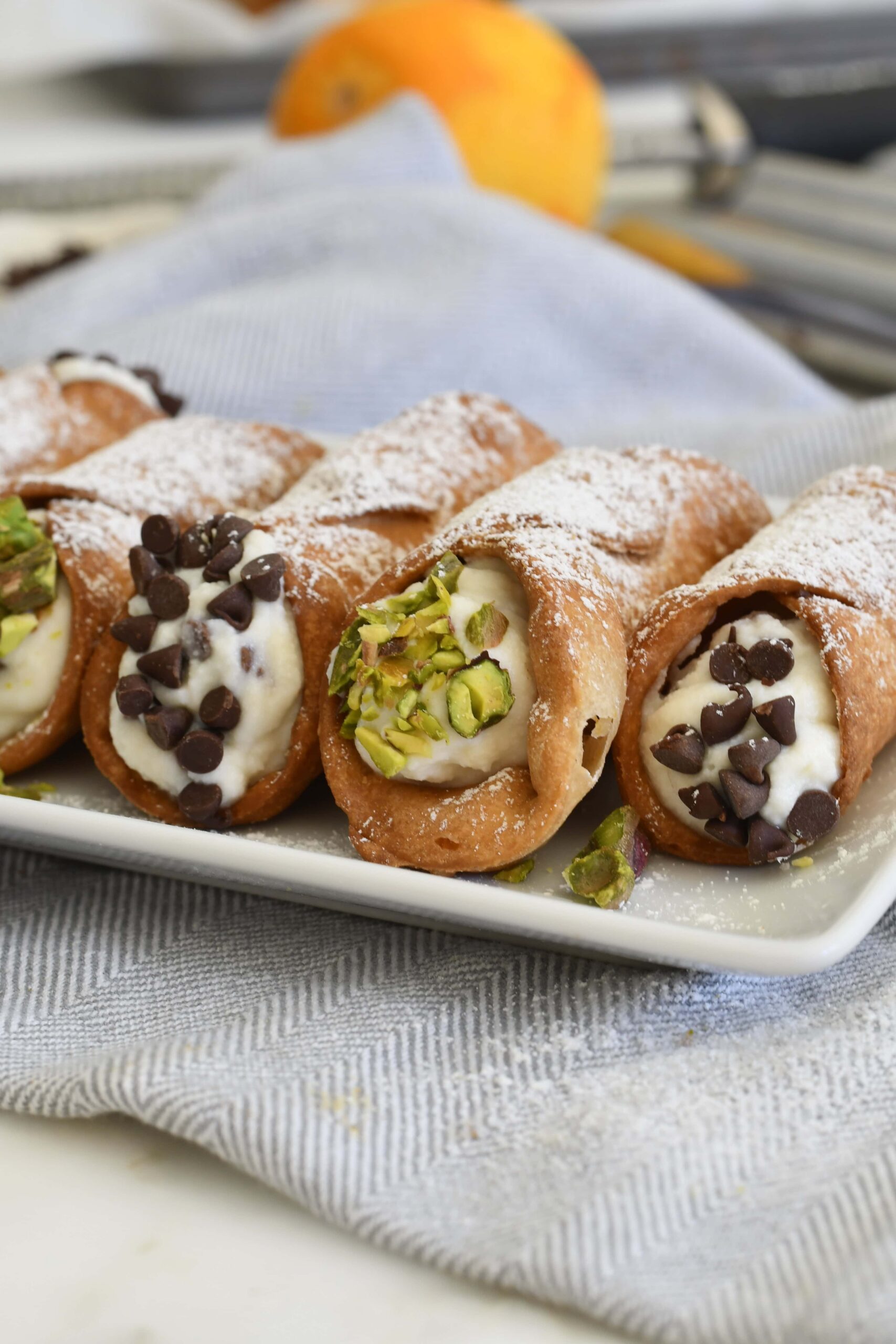
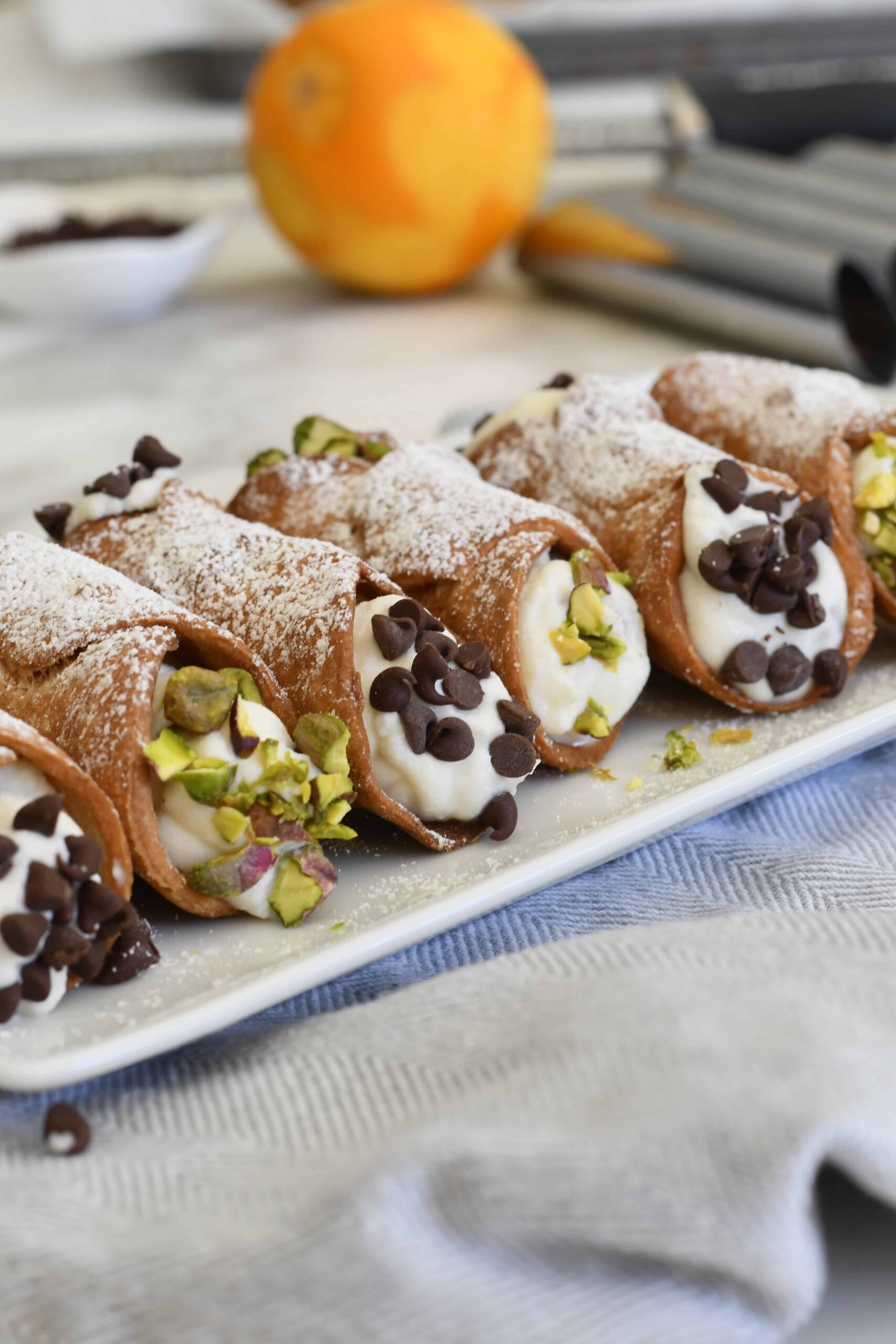
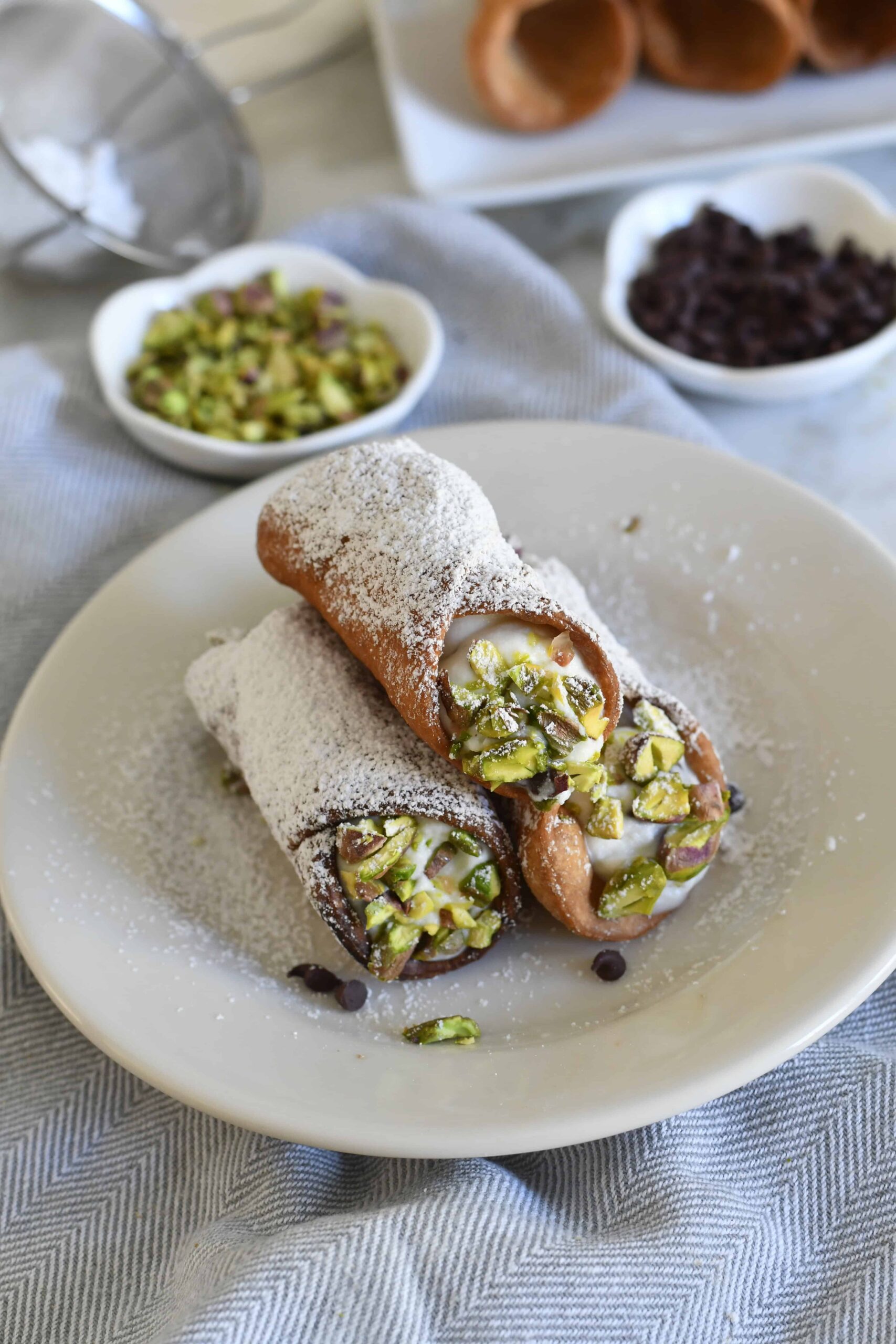
Crispy on the outside and creamy on the inside, these homemade Cannoli Siciliani are the perfect taste of Italy! Made with golden fried shells and a sweet ricotta filling speckled with chocolate chips and pistachios — a truly irresistible Italian classic
I’m super excited to share this recipe with you today! It’s such a true Italian classic that I honestly don’t know why I haven’t shared it with you before. It’s also one of the very first recipes in my new cookbook, Never Say Never to Dolce. After months of work, it’s finally on presale! Never Say Never to Dolce is a collection of dessert recipes that I haven’t shared in my other book, Manuela’s Sweet Temptations. In this new book, I’m sharing all the sweets I love most — from classic Italian recipes to biscotti and dolcetti, cakes and tarts, spoonable desserts, and even a section of gluten-free treats, because everyone should be able to enjoy a little something sweet. Thank you all so much for your support — I truly wouldn’t be here without you. Make sure to order your copy now so you’ll receive it before the holidays. Pre-order here.

Now, let’s talk about Sicilian Cannoli — one of Italy’s most irresistible desserts.

About the filling
The filling is traditionally made with ricotta di pecora (sheep’s milk ricotta), but since it’s not easy to find everywhere, I use regular whole milk ricotta instead. Make sure to let it drain for at least two hours (or overnight) to remove any excess water — please don’t skip this step! This ensures a thicker, creamier texture that won’t turn your filling runny.
I’ve already reduced the amount of sugar compared to most recipes, but you can adjust it to your taste — start with less and add more if needed.
And when it comes to chocolate, make sure to use mini chocolate chips. Regular ones are too large and will overpower the delicate cream, while the mini chips give you perfect little bursts of chocolate in every bite.
About the dough
The classic dough is made with strutto (lard), which gives the shells their signature crisp and bubbly texture. I like to substitute with unsalted butter, softened at room temperature — it works beautifully and keeps the flavor light.
Add a touch of cocoa powder or cinnamon to the dough: it’s mostly for color, but cinnamon adds a warm hint of flavor if you prefer.
The secret to those signature bubbles on the cannoli shells? A splash of Marsala wine and white vinegar in the dough! Together, they create little air pockets when frying, giving you the lightest, crispiest shells possible. So please don’t skip these ingredients.
How to roll the dough
When rolling the dough, work with one-third at a time and keep the rest covered to prevent it from drying out.
Flatten it slightly, then start with your pasta roller on setting 1 (the widest). Pass the dough through a few times until smooth, folding once or twice if needed.
Gradually thin it out by moving to settings 2, then 3, and finally setting 4, which gives you about 1.5 mm thickness — perfect for cannoli.
The dough should be thin but sturdy enough to wrap around the tubes without tearing.
How to shape the cannoli
Once your dough is rolled out to about 1.5 mm thick, use a 10 cm (4-inch) round cutter to cut out circles.
Gently wrap each circle around a cannoli tube, overlapping the edges slightly.
Here is the link for the cannoli tube I have: Amazon
Brush one edge with a little egg yolk or milk — just enough to help it stick — and press lightly to seal.
Make sure the seam is firmly closed; otherwise, the shells may open while frying. Avoid getting the egg wash on the metal tube, or the dough could stick when you try to remove it.
As you shape them, place the prepared shells on a tray covered with a clean kitchen towel to keep them from drying out before frying.

How to fry the cannoli
When it’s time to fry, heat your oil to about 350°F (175°C) — the right temperature is key to achieving those signature golden, bubbly shells.
If the oil is too cool, the cannoli will absorb too much and turn greasy; too hot, and they’ll brown before crisping properly.
Gently place one or two shells at a time into the oil (don’t overcrowd the pot), and make sure to place them with the open side down so they don’t open while frying. Fry for about 1 to 2 minutes, turning once, until evenly golden and blistered.
Carefully lift them out with tongs, let the excess oil drip off, and transfer to a paper towel–lined tray. Allow the shells to cool for a few seconds before sliding them off the molds.
Once cooled completely, you can store them at room temperature for a few days — ready to be filled just before serving for that perfect crunch!
 How to remove the cannoli from the mold
Once the shells are golden and completely cooled, it’s time to remove them from the molds. Gently press inward at the seam of the mold to loosen the shell, then carefully slide out the metal tube.
Never twist or pull too hard — the shells are delicate and can crack easily. If they’re still slightly warm, let them cool a few minutes longer before removing. Once released, place the shells on a tray and get ready to fill them with that luscious ricotta cream!
How to store
It’s best to fill the cannoli just before serving so the shells stay crispy. The ricotta filling can be stored in the refrigerator for up to two days, while the shells can be kept at room temperature for 2–3 days, covered with a clean kitchen towel.
Substitutions
Instead of chocolate chips, you can use finely chopped candied fruit. For an even more indulgent version, brush the inside of each shell with melted chocolate and let it set before filling — this keeps them extra crisp and adds a delicious touch of d
How to Make Authentic Cannoli Siciliani at Home
Crispy on the outside and creamy on the inside, these homemade Cannoli Siciliani are the perfect taste of Italy! Made with golden fried shells and a sweet ricotta filling speckled with chocolate chips and pistachios — a truly irresistible Italian classic
Servings:
Prep Time
30 min
Cook Time
30 min
Resting Time
Total Time
1 hr, 2 min
Ingredients
- 2 cups (250 g) all-purpose flour
- 2 tablespoons (25 g) sugar
- 2 tablespoons (30 g) unsalted butter, at room temperature
- 1/4 cup (60 ml) Marsala wine
- 1 large egg
- 1 tablespoon white wine vinegar
- 1/4 teaspoon salt
- Finely grated zest of 1 large orange
- 1/2 teaspoon unsweetened cocoa powder or ground cinnamon (optional, for flavor and color)
- oil for flying, as needed
- 2 lb (900 g) whole milk ricotta cheese, well-drained
- 1 cup (200 g) sugar
- About 3/4 cup (130 g) mini chocolate chips
- 1 egg yolk (for egg wash) or 2 tablespoons milk
- Powdered sugar, for dusting
- Crushed toasted pistachios or additional mini chocolate chips, for decorating
Instructions
- Prepare the Ricotta: Place the ricotta in a fine-mesh strainer over a bowl and let it drain for at least 1 hour. This removes excess liquid and ensures a thick, creamy filling.
- Make the Dough: In a small bowl, dissolve the salt in the white wine vinegar. In a large mixing bowl, sift the flour and add cocoa or cinnamon (if using). Add the butter and work it in with a fork or your fingertips until evenly incorporated.
- Stir in the sugar and orange zest, mixing a bit more with a spatula or fork. Add the egg and the Marsala-vinegar mixture, combining everything in the bowl first. Move the dough to the center of your work surface and knead by hand until smooth and elastic. Wrap the dough in plastic wrap and refrigerate for about 2 hours.
- Prepare the Filling: Pass the drained ricotta through a fine sieve into a bowl. Mix with sugar using a spatula. Fold in mini chocolate chips, cover with plastic wrap, and refrigerate until ready to use.
- Shape and Fry the Shells: Take about 1/3 of the dough, keeping the rest covered with plastic wrap so it doesn’t dry out. Press the dough into a flat rectangle with your hands so it can fit through the roller easily. Set your pasta roller to setting 1 (the widest). Feed the dough through the rollers without flour first, then fold the sheet in half and pass it through again. Repeat once or twice until smooth. Move the setting to thinner settings, one at a time, unil you reach about 1.5 mm in thickness (setting 4). The sheet should be thin but still sturdy enough to wrap around a cannoli tube without tearing. If it feels too sticky, lightly dust with flour.
- Cut using a 10 cm (4-inch) round cutter to cut circles, then wrap each around a cannoli tube and seal with a touch of egg yolk or milk. Make sure it’s nice and sealed or these will open up when frying. Place the prepared cannoli on a tray and cover with a towel.
- Heat vegetable oil to 350°F (175°C). Fry the cannoli a few at a time, placing the sealed edge int the oil first. turning occasionally, until golden and bubbly. Drain on paper towels and let cool. Carefully slide out the metal tubes once shells are completely cool. If needed press the mold in at the seem.
- Right before serving, Fill the shells with ricotta cream using a piping bag. Dip the ends in crushed pistachios or extra chocolate chips. Garnish with candied orange peel if desired and dust with powdered sugar. Serve immediately